

The more I engage with others who are collapse-aware, the more I discover a new, urgent vitality and “lust for life” I never knew I had. As I was travelling to the World Adaptation Forum this spring to give my presentation and launch a book, it crossed my mind multiple times that this could be the last trip I take, the last people I meet, the last chance to grieve in the company of others who know just how unstable the global system has become.
But if you think that this was a conference of doomers, this couldn’t be further from the truth. As one of the participants remarked, this was the happiest, most alive conference they had ever attended. Not a surprise, given how transformational and life-giving grief is. Those who prevent themselves from grieving become equally unappreciative of both life and death. The world is refusing to grieve, greedily running to recoup its losses instead, and causing even more grief in the process. Those who know what is coming are attendees of a funeral who have been forced to attend a wedding instead: they are only allowed to grieve away from the camera, heaven forbid they might ruin the wedding pictures with their gloomy face. The self-destructive necrocapitalist show must go on, no matter what.
It is no wonder that the wedding planners closely monitor who comes and goes from the party, and what they might say. The truth of collapse can really bring down the morale, not to mention the stock market: because it is one thing to grieve a person, a pet, a tree, and another to grieve the loss of everything. We are not simply grieving thousands of years of stable human civilisation, but the permanent disappearance of what made this civilisation possible in the first place: the wildlife, and the climate systems that have been around virtually since the beginning of time. This is not the ending of an era, but the destruction of time: past, present and future.
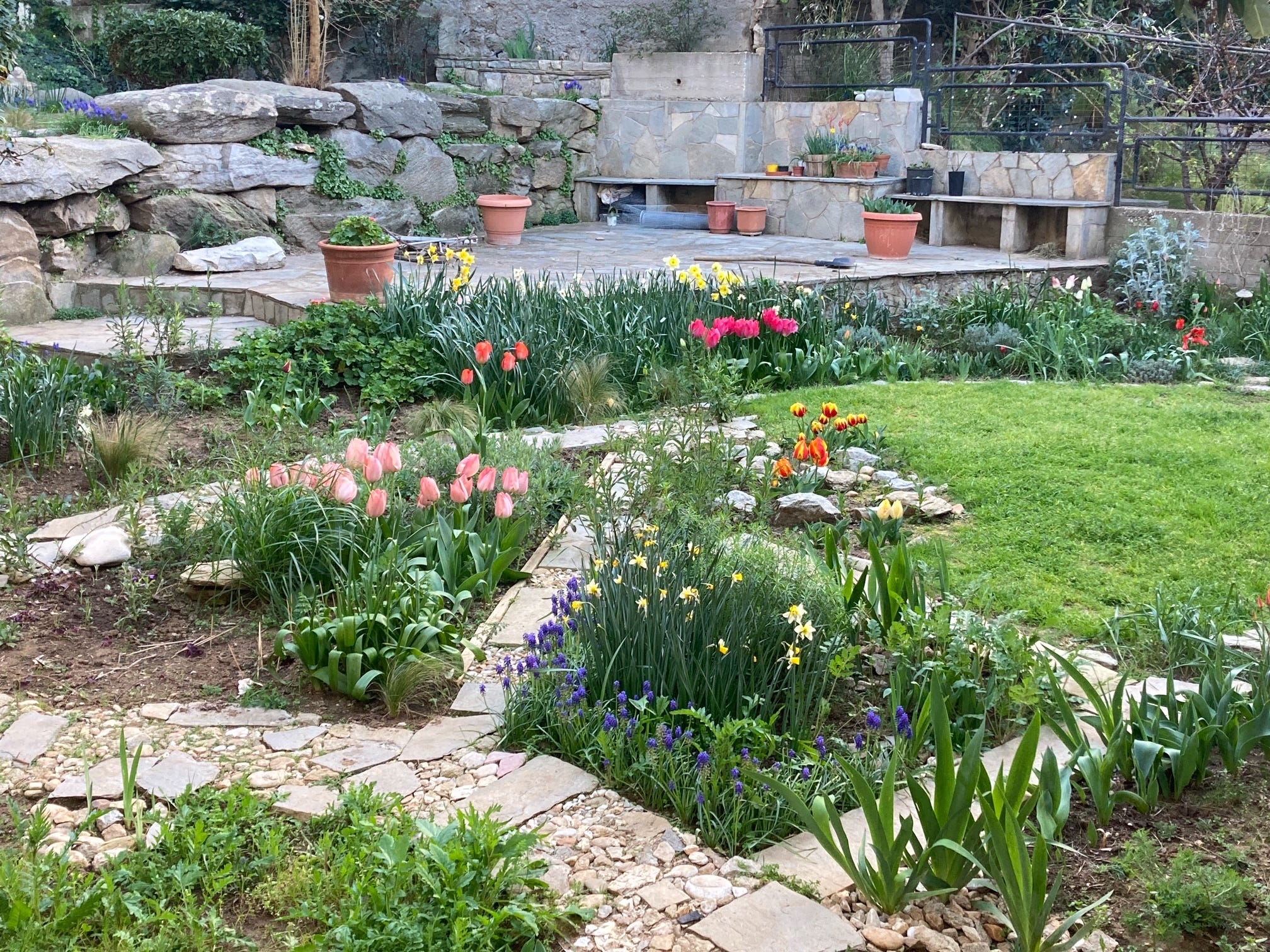
The world is not ready to be reborn, because it is unable to grieve. I work in my garden every day because it helps keep me grounded: as I watch things wither, die, decompose and become reborn on a daily basis, I know that life needs death, just as much as we need grief to make sense of our losses. Without grief, death becomes permanent. And our losses can only accumulate.
Your analysis of grief touches on the collapse of the 'social imaginary'. We are moving from the narcissism of infinite growth, described so well by Christopher Lasch, to the harsh friction of biophysical limits. Grief, then, becomes the only honest gateway to a post-narcissistic maturity, where we finally accept that we are part of a fragile, finite system.
I was just in the garden burying leftover onion sets deep in some empty spaces for green onions. My love came out to inform me of yet another loss of yet another dear friend. So I watered the bulbs with my tears. I came inside and read your words to discover and welcome even more tears. Opening to any grief seems to pull me into feeling so much loss in general. Thank you, George. 🙏🏻